Q4 2025
Nov 10, 2025
Go for Launch - Jan 20th, 2026.
Systematic Fundamentals.
National Parks Spotlight.
Go for Launch - Jan 20th, 2026
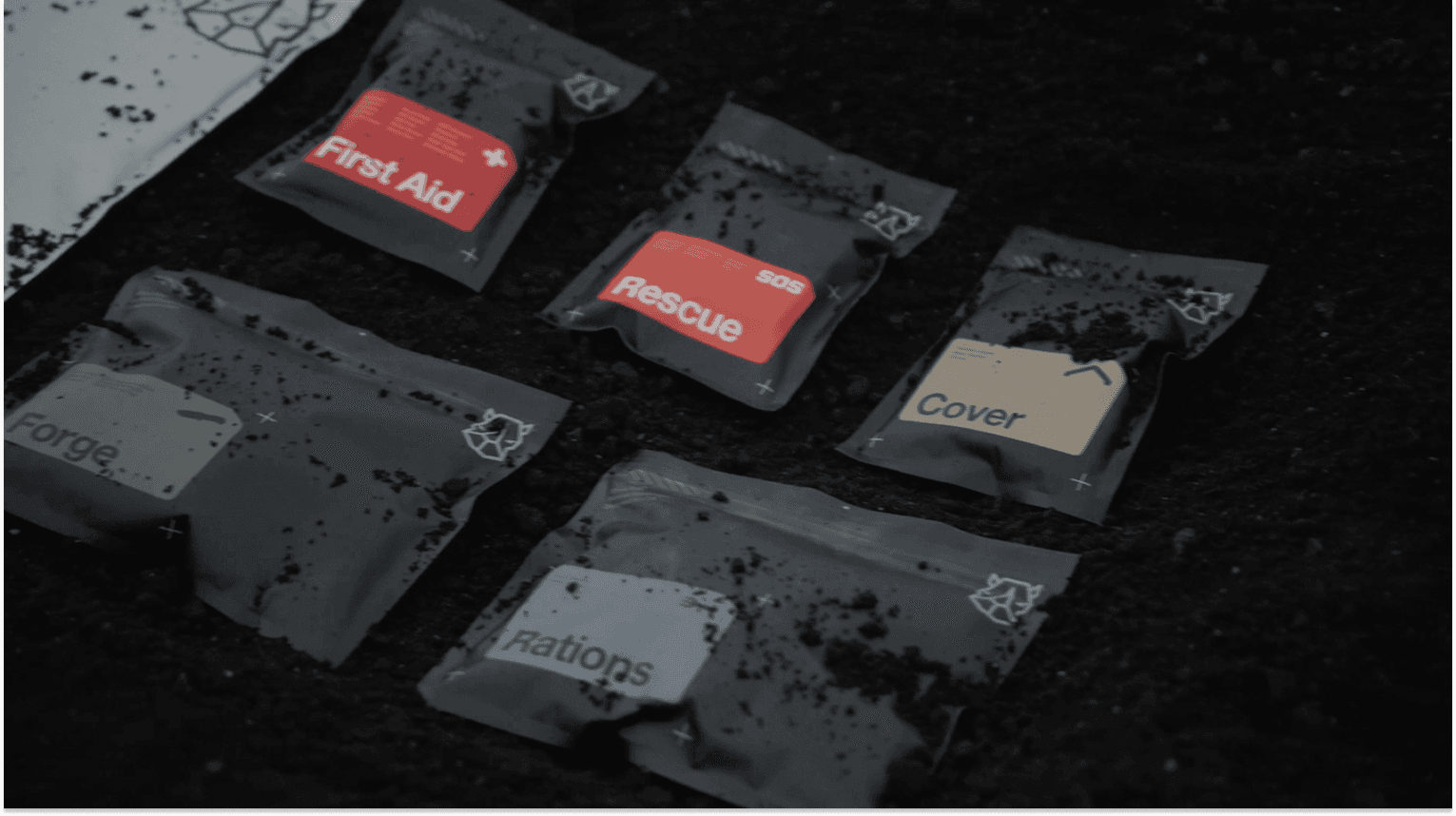
After years of iteration, Rhino Rdy's Kickstarter campaign is live. The Core-01 system and its modular architecture are now in front of the people they were designed for. This isn't a crowdfunding experiment. It's a proof of concept for a category that hasn't existed until now: emergency preparedness gear built with the same design rigor as the technical apparel and defense hardware it draws inspiration from.
The campaign represents more than a product launch. It's the public validation of a thesis that's been pressure-tested across seven years, five countries of manufacturing, and more prototypes than anyone should probably admit to. Every material choice, every module configuration, every detail down to the color-coded pouch system was built to eliminate decision-making in the moments when clarity matters most.
The response from day one will tell us a lot. Not just about demand, but about whether the market is ready to treat preparedness as an investment in certainty rather than a fear purchase. Early signs say yes.
Systematic Fundamentals
There's a version of building a company that looks like sprinting from one fire to the next. There's another version that looks like installing the systems that prevent the fires in the first place. Year seven is when you start to feel the compounding returns of the latter.
The fundamentals that matter most aren't glamorous. Supply chain redundancy. Clean unit economics. Inventory systems that don't lie to you. Ad infrastructure that tracks real attribution, not vanity metrics. These are the unglamorous systems that separate businesses that scale from businesses that stall. First principles applied to operations means asking what's actually true about your cost structure, your conversion, your margins, and discarding the narratives you've been telling yourself.
The companies I admire most, from Anduril to Arc'teryx, share this trait: the external product is exceptional because the internal systems are obsessively sound. The craft the customer sees is a byproduct of the discipline they don't.
National Parks Spotlight
America's national parks remain one of the most underappreciated pieces of public infrastructure in the country. 85 million acres of preserved land, managed across 400+ sites, serving over 300 million visits a year. The operational complexity rivals most logistics companies.
What strikes me most is the design philosophy embedded in the parks themselves. The best ones don't impose an experience on you. They create the conditions for one. Trail systems that guide without dictating. Signage that informs without cluttering. Infrastructure that disappears into the landscape it serves. There's a lesson in that for anyone building products or systems at scale: the best design is the one you don't notice until it's gone.
Current CA favorites on rotation:
Big Sur - No better place to clear the mind.
Joshua Tree - Expanse and wonderment collide.
Death Valley - Beauty and hostility aren't mutually exclusive.