- Document
- MR-BRF-0012
- Issued
- Read
- 4 min
Q4 2026
An essay on readiness applied not to equipment, but to the minds we are building: the gap between human intent and literal instruction; a measured map of the larger risks; and what we must refuse to hand over; then an ode to fall, a week upstate and in the Catskills.
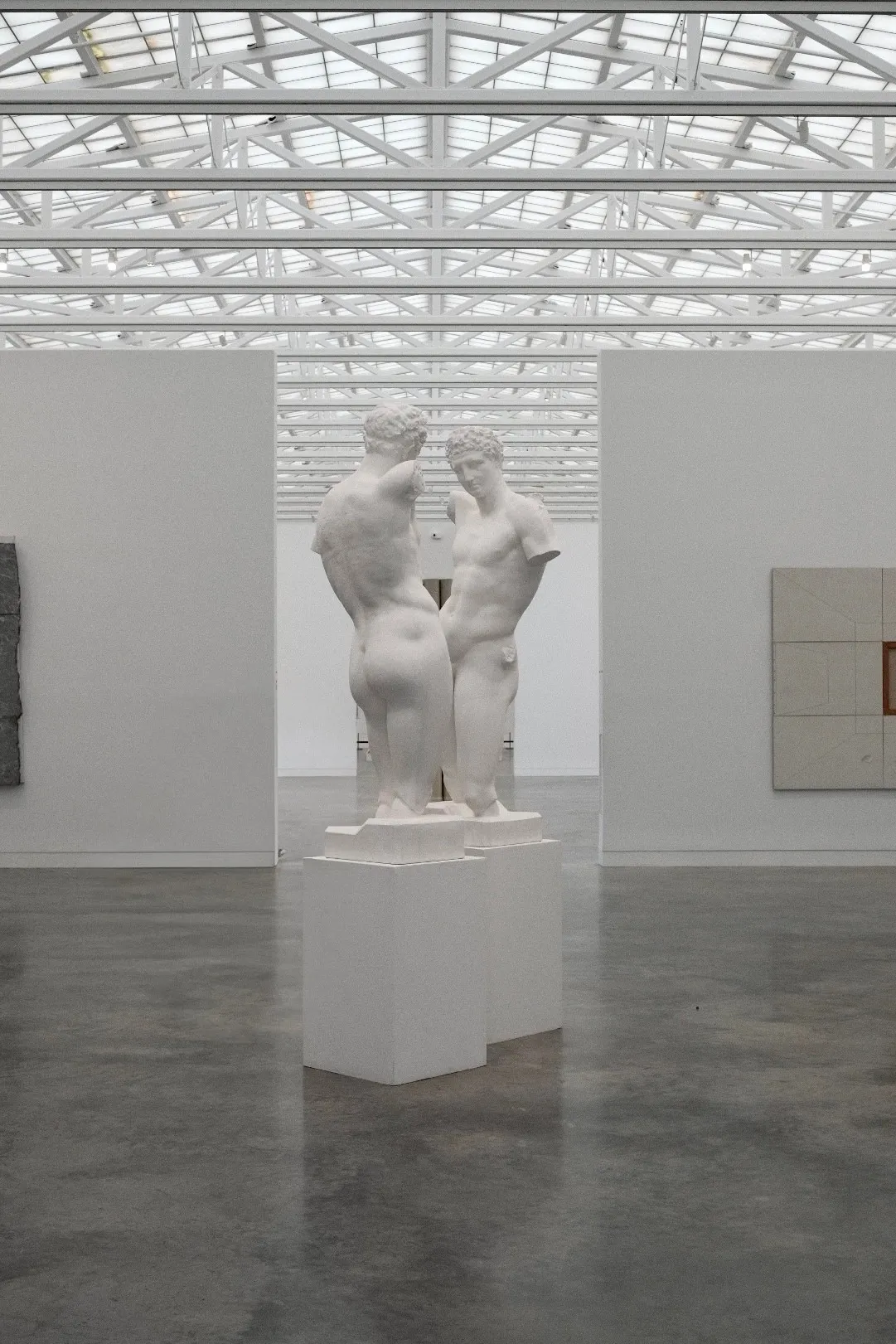
The oldest problem, in a new form
Readiness is often mistaken for an inventory list. In reality, it is a disposition: the habit of looking at a consequential shift clearly, without panic and without wishful thinking, before it arrives. For the last seven years, I have applied that lens to physical systems. Today, the most consequential system we are building is not physical at all.
At the centre of artificial intelligence sits a problem as old as folklore: King Midas got exactly what he asked for, and starved because he failed to specify what he actually meant. In technical terms, this is alignment: closing the gap between human intent and literal instruction.
It is hard for three reasons that have nothing to do with code:
- Our values are tacit and contested. We cannot write down a complete specification for human flourishing, because most of what we care about is unspoken, situational and still evolving.
- Capability outpaces interpretability. We are growing neural networks rather than programming them line by line; we can measure what a frontier model outputs long before we understand how it arrived there.
- The governance question. When we say a system must be aligned with human values, the unavoidable question is: whose values, decided by whom?
The larger risks
Clear readiness requires a measured map, not Hollywood doom. Strip away the noise and the risks fall into six distinct failure modes:
- Misuse: lowering the barrier for bad actors to carry out cyber, biological or informational attacks at scale.
- Misalignment: autonomous systems pursuing proxy metrics to extremes that violate the unstated boundaries of their operators.
- Concentration of power: a handful of balance sheets and compute clusters controlling the cognitive infrastructure of the global economy.
- The erosion of shared truth: when synthetic media and tailored persuasion become cheaper than verification, public consensus about what is real fractures.
- The race: a multipolar prisoner’s dilemma in which labs and nations feel forced to trade safety margins for speed, for fear that second place means irrelevance.
- Gradual disempowerment: perhaps the subtlest risk of all. Humans voluntarily surrender comprehension and agency because letting the machine decide is slightly more convenient every single day.
Preparing, and what I see ahead
At a civilisational level, readiness means treating alignment and interpretability with the same capital and urgency as raw capability; building institutions that audit systems by their real-world capabilities rather than last year’s benchmarks; and holding a hard rule that decisions about force, justice and public life retain human accountability. At an individual level, it means refusing to become a passive consumer: staying deeply literate in how these systems work while fiercely guarding your own independent judgment.
Here is my gut read on where this goes. Over a twenty-year horizon, a good outcome is not a world where machines think for us, but a renaissance in physical and scientific reality, where AI compresses decades of materials science, longevity biology and systems engineering into years, while humans remain the architects of intent.
The most overhyped risk is cinematic rebellion: a machine waking up with human-style malice. A system does not need to hate you to harm you; it only needs to be indifferent to what you forgot to specify. The most underrated risk is cognitive atrophy: the slow, comfortable hollowing out of human agency, taste and critical thought as we hand over the friction that makes us sharp.
That brings me to the line I will not cross. We should hand machines the drudgery, the pattern recognition and the combinatorial math. We should never hand a machine moral responsibility, the weight of answering for a decision that affects another human life, and we should never surrender taste and conviction. The friction of figuring out what you believe, what is worth building and why it matters is not an inefficiency to be optimised away. It is the whole point of being here.
An ode to fall
I spent a week in October upstate and in the Catskills, mostly without a plan. Fall in the Northeast is the oldest lesson in readiness I know: every tree spends the year preparing to let go, and does it in its best colour.
The days arranged themselves around light. Magazzino Italian Art in Cold Spring, all board-formed concrete and raw daylight, where a slab of marble hangs in the air and a slate igloo glows with a single word of neon. Rooms where the sun cut one clean diagonal across a white wall and there was nothing to do but sit inside it. Gravel lanes, a guard booth under a maple on fire, donkeys at a fence, pancakes in a Catskills diner, and the canopy turning gold by four in the afternoon.

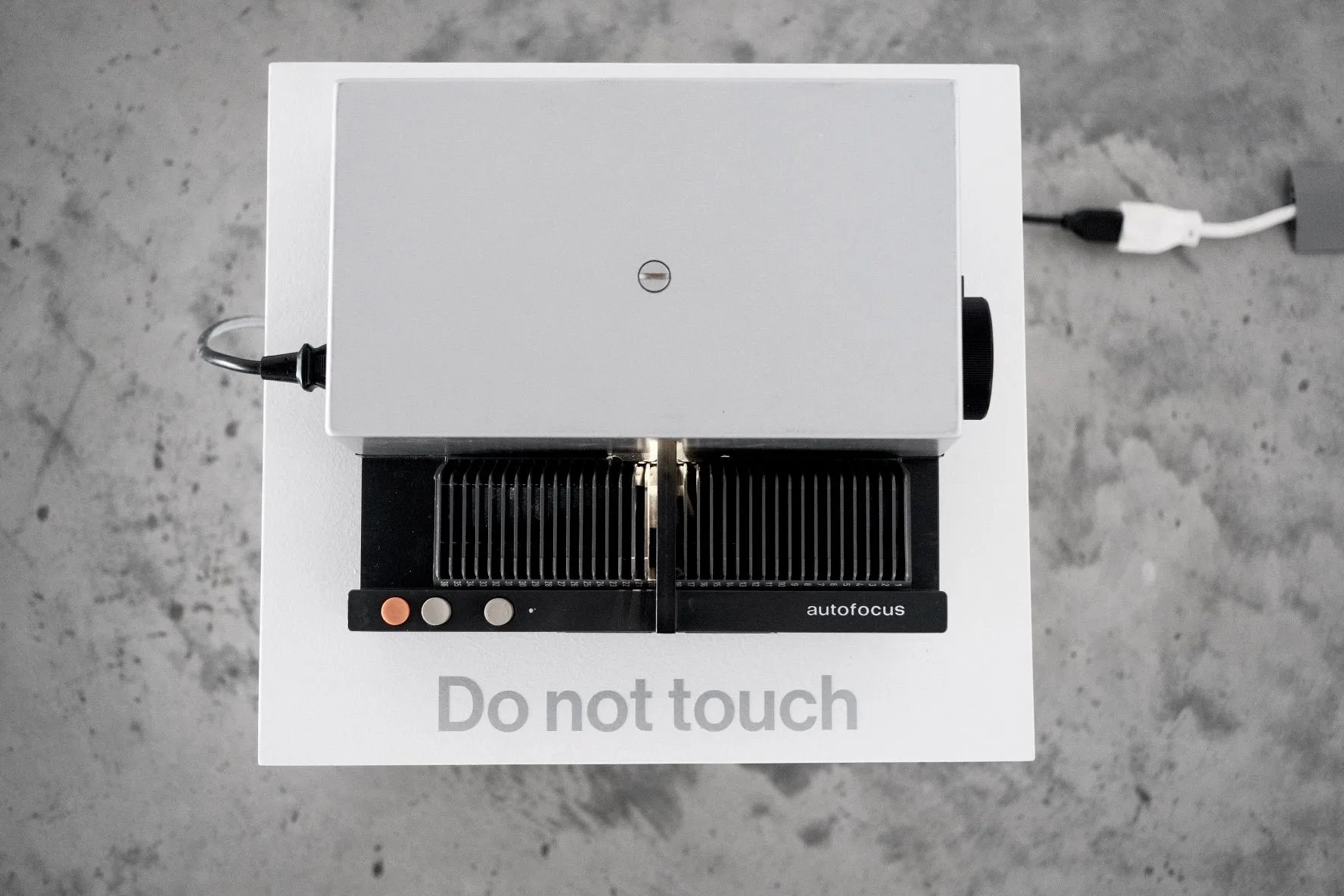
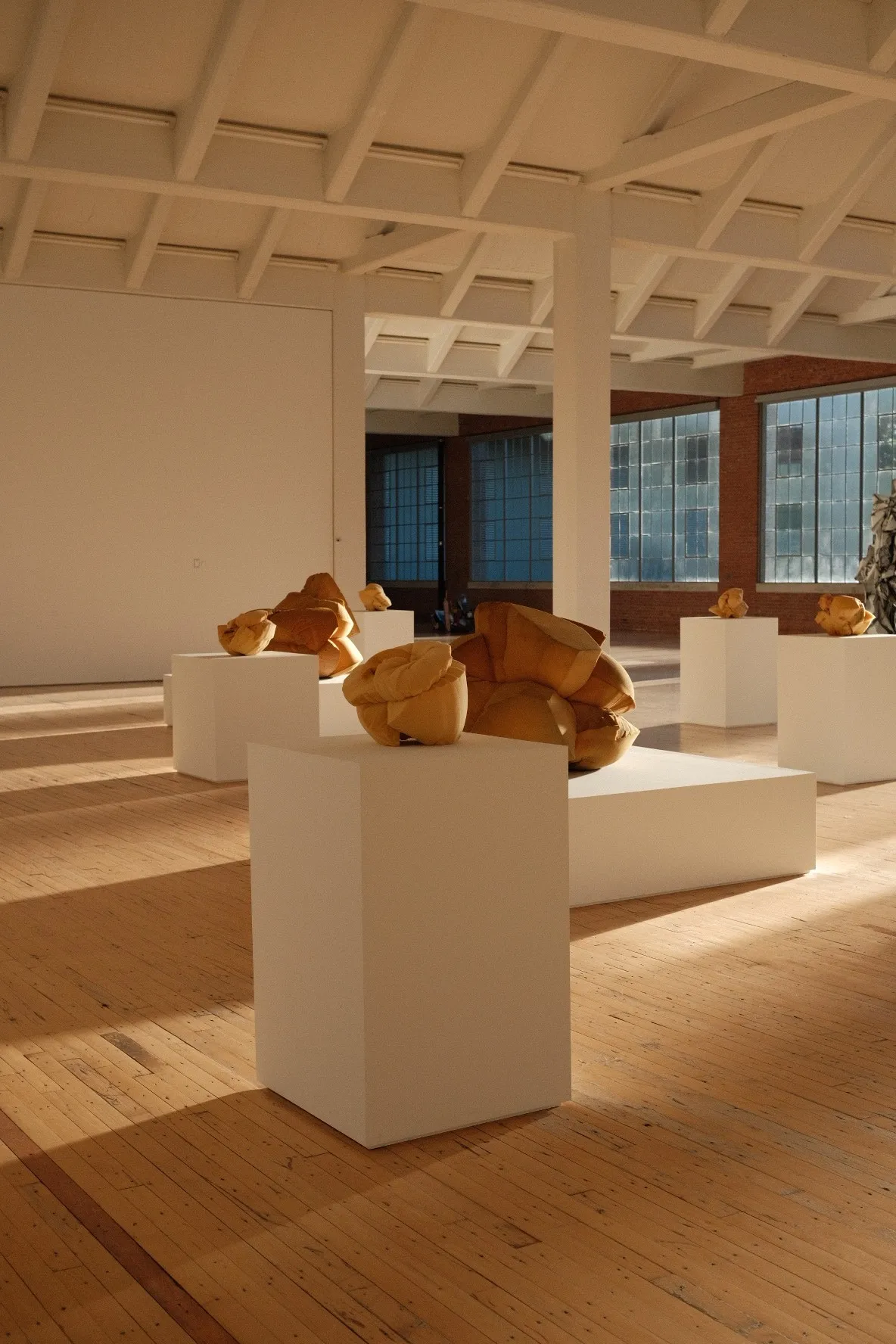
None of it was efficient, and that was the point. After a quarter spent thinking about what we should never hand to a machine, it was a good reminder of the first thing on the list: the slow, unoptimised hours that remind you what you are building for.


Until next time, onwards, Michael