- Document
- MR-BRF-0010
- Issued
- Read
- 2 min
Q2 2026
A full production run arrived short of the agreed specification, and what it cost to reject it and rebuild; the verification we put in place so the spec is checked by someone other than the people paid to meet it; and Soup as Life, in Tadao Ando's 21_21 DESIGN SIGHT in Tokyo.
Out of spec
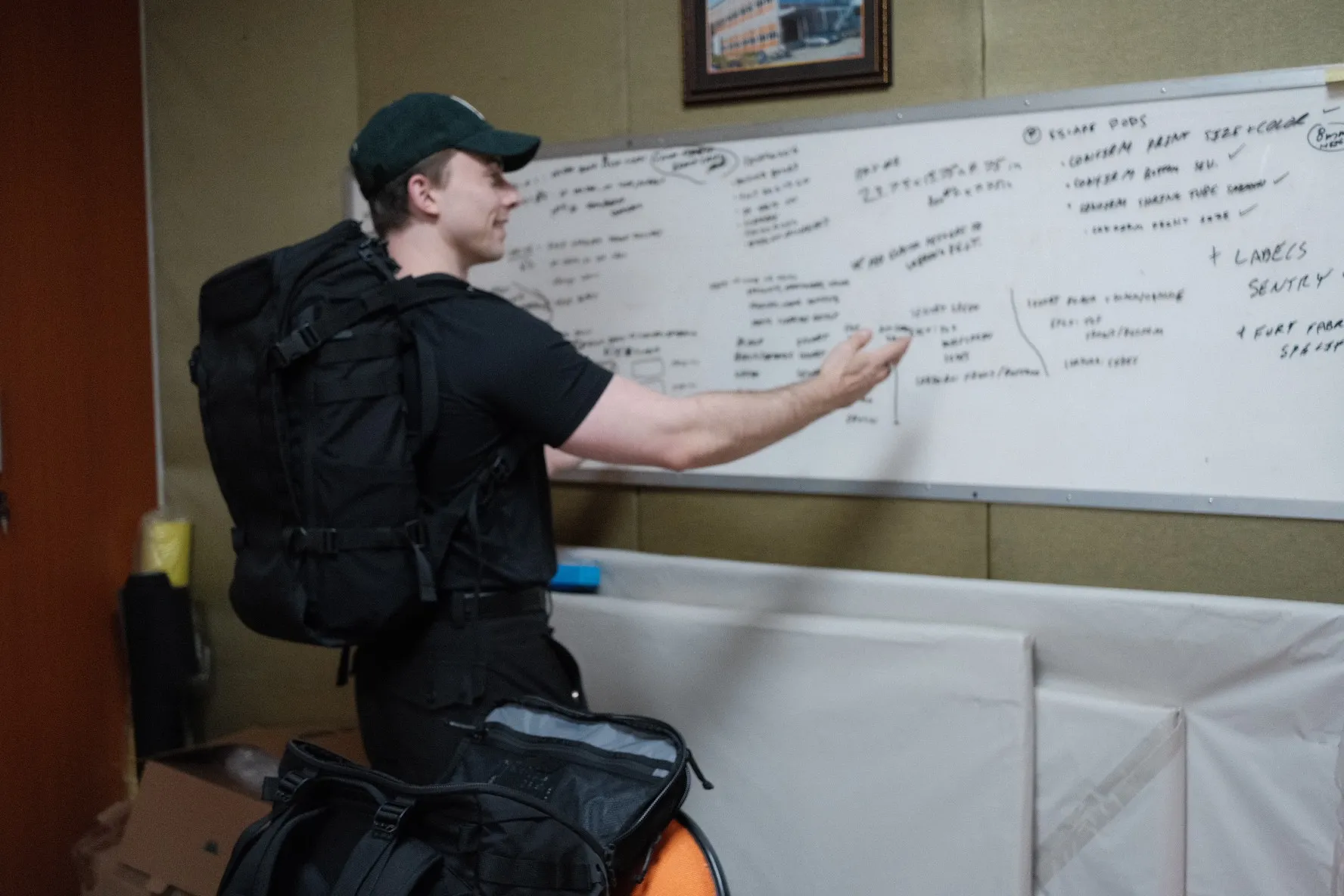
In hardware, the distance between a signed golden sample and a mass production run is where brands either hold their standard or quietly erode it. This quarter, a full production run arrived out of spec.
The specification was explicit and signed off against physical reference samples. What arrived had a substitute substrate in one of our critical components: a change no one had approved, invisible at a glance and unacceptable the moment it was tested. To a casual buyer, it might have gone unnoticed for months. To us, it wasn’t the product we sold. We caught it before a single unit reached a customer, and the decision itself was easy: reject the run.
Holding the standard is easy to write on an About page and expensive to execute. It cost tens of thousands of dollars and more than a few sleepless nights across time zones. Instead of arguing over email threads, I flew out and sat in the production rooms until we understood exactly where the substitution happened and why. We renegotiated, brought in third-party testing, and rebuilt the run.
What changed
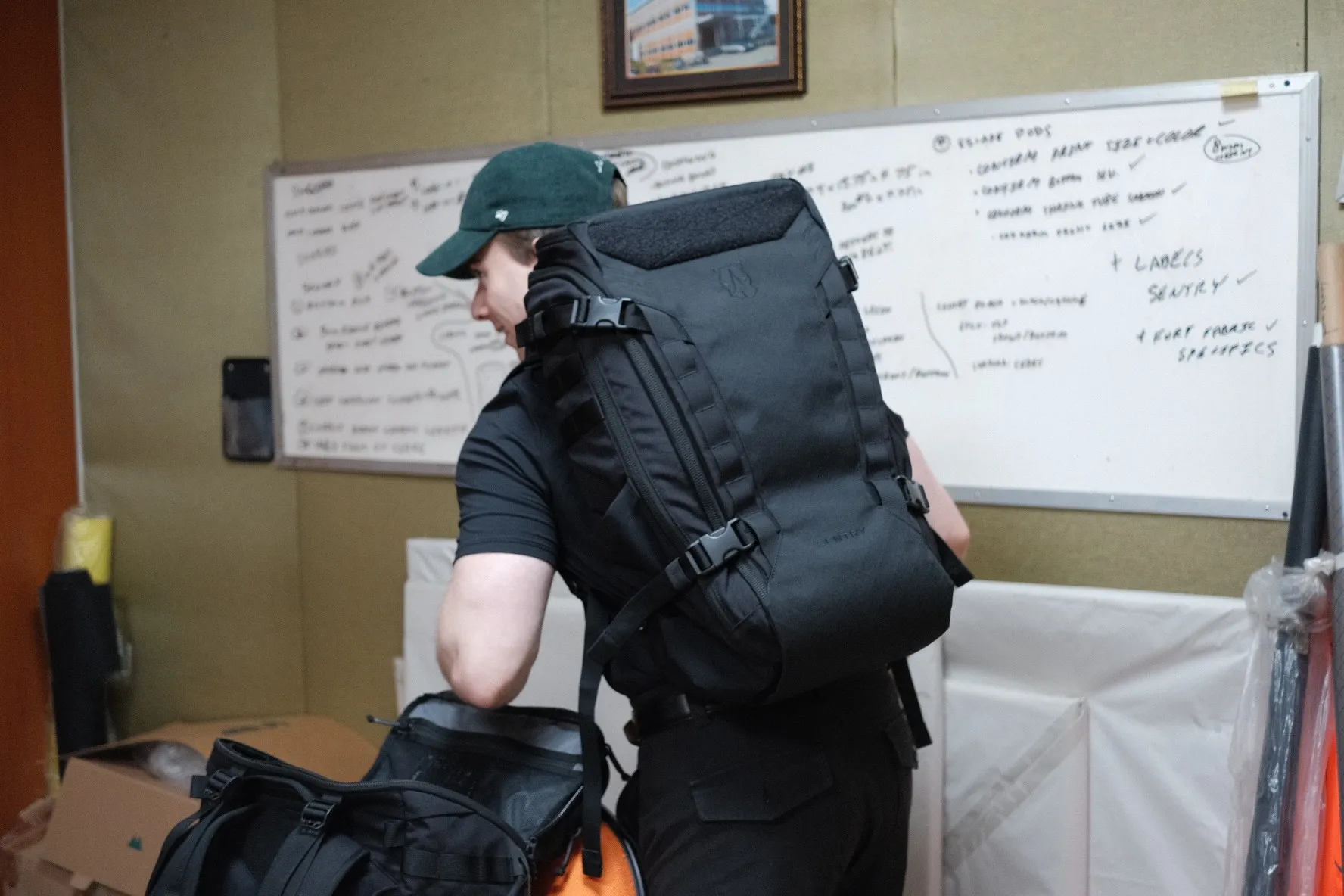
A failure only compounds if you leave the system that allowed it intact. The fix was not a stronger email; it was verification. Second- and third-party testing now covers the majority of our components, so the specification is checked by someone other than the people paid to meet it.
If I could hand one principle to another founder building physical products, it is this: what you accept on the first flawed shipment becomes your new specification. Never blink on the standard.
Soup as life
In Tokyo, I spent an afternoon at 21_21 DESIGN SIGHT, Tadao Ando’s building in Tokyo Midtown, for Soup as Life, an exhibition directed by Natsumi Toyama. It takes the humblest meal there is and uses it to ask where food, clothing and shelter begin.
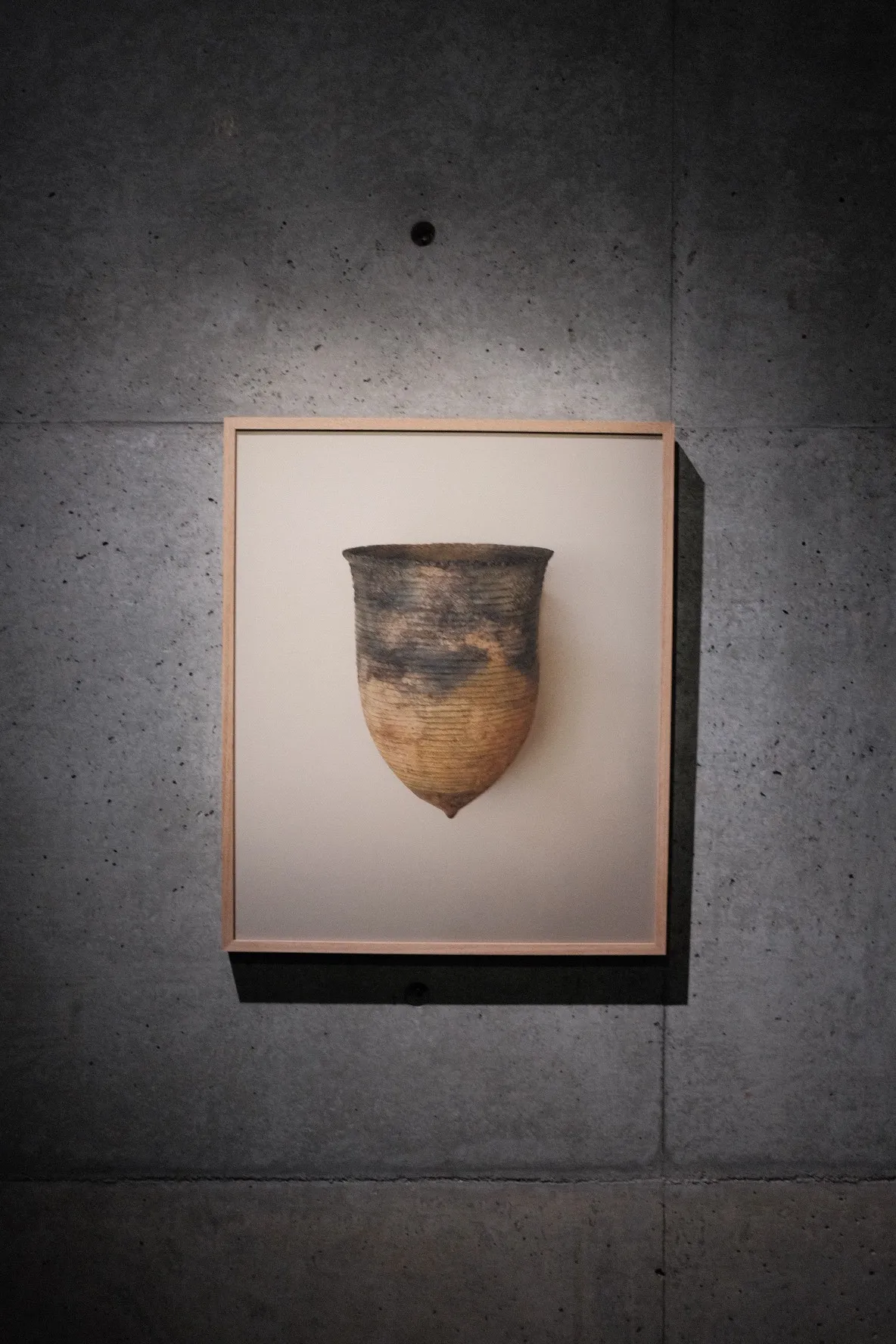
It opens with a Jomon-period vessel, earthenware from one of the oldest pottery traditions on earth: fire, water, and something to hold them. From there it moves through scent, in Kan Izumi’s fragrances of the sea, clay and the womb, where the salinity of amniotic fluid, about 0.9%, is close to what most of us prefer in a bowl of soup. It moves through a wall of bouillon in every shade from white to rust, and through an archive of the advertising that turned stock and extract into some of the earliest brands sold at scale: Liebig, Maggi, Knorr, Campbell’s.
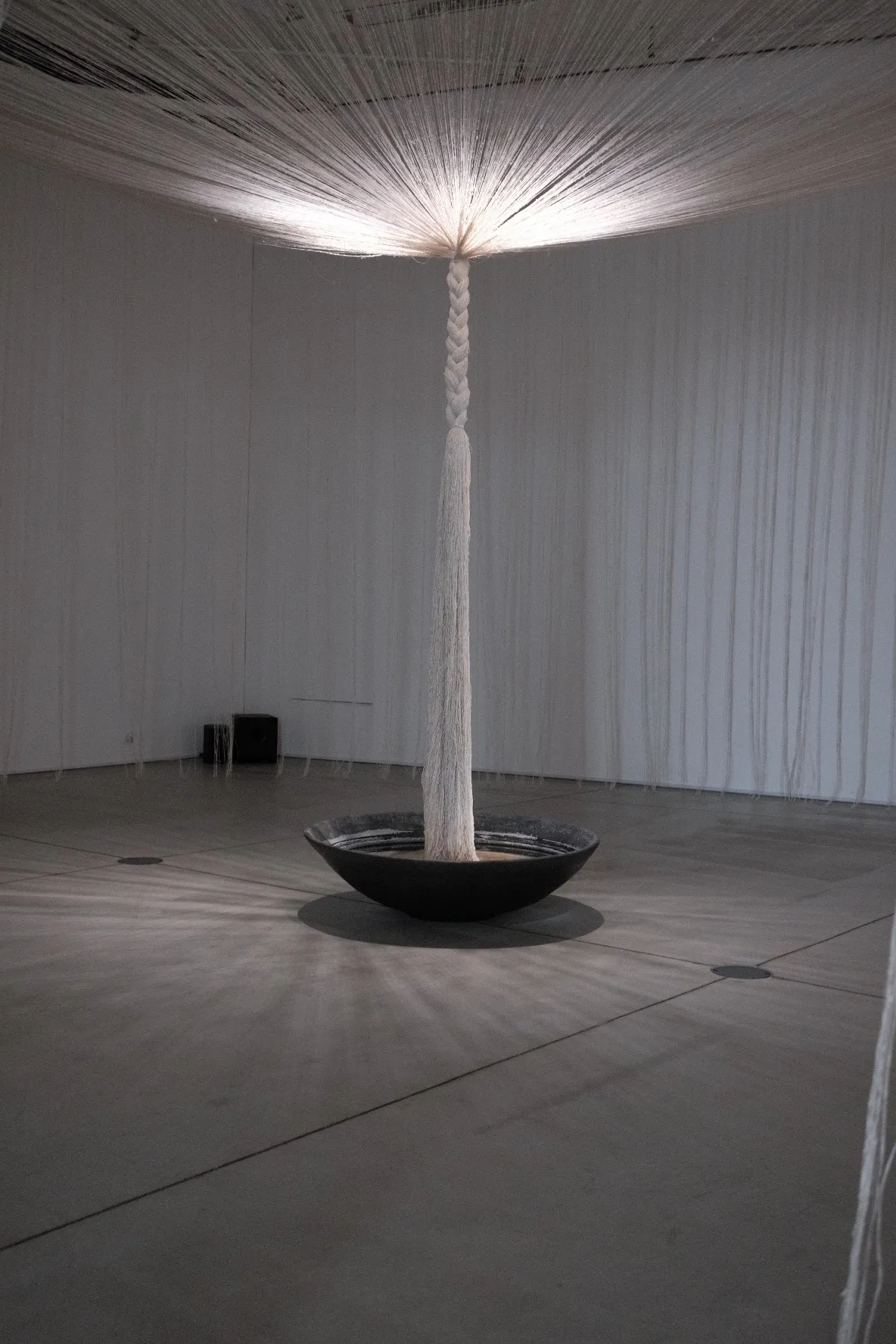
What stayed with me was how little soup asks. A vessel, heat, water, time, and someone to share it with. Nearly every culture has its own, and nearly every one serves it to the people it loves when they need it most. After a quarter spent defending a specification, it was a quiet reminder of what all the engineering is for: holding something warm, for someone else.
Until next time, onwards, Michael